

Home Inspection Preparation in Cascais

Updated: Oct 1
Home inspection preparation is one of the easiest ways to ensure the inspection runs smoothly. Whether you are buying or selling a property in Cascais, taking a little time to prepare beforehand can improve access for the inspector, identify minor issues, and provide a clearer understanding of the property's condition.
This practical checklist explains how to prepare your home before inspection day, what inspectors typically look for, and how good preparation can help the inspection process run more efficiently.
How to Prepare for a Home Inspection
Before the inspector steps through the door, there are several things you can do to make the process smooth and efficient. Start by cleaning and decluttering the home. A tidy space allows the inspector to access all areas easily and spot any problems without obstruction.
Next, check that all utilities are on. The inspector will need to test plumbing, heating, cooling, and electrical systems. If the water or electricity is off, it can delay the inspection or limit its scope.
Make sure to fix minor issues that are easy to handle. For example, replace burnt-out light bulbs, repair leaking faucets, and clear clogged drains. These small repairs show that the home has been cared for and can prevent the inspector from flagging avoidable problems.
Finally, gather important documents related to the property. This includes warranties, manuals for appliances, and records of past repairs or renovations. Having these on hand can provide useful context for the inspector and the buyer.
Preparing the property does not mean hiding defects. The purpose is simply to ensure every accessible area can be inspected safely and thoroughly.

Key Areas to Check Before a Home Inspection
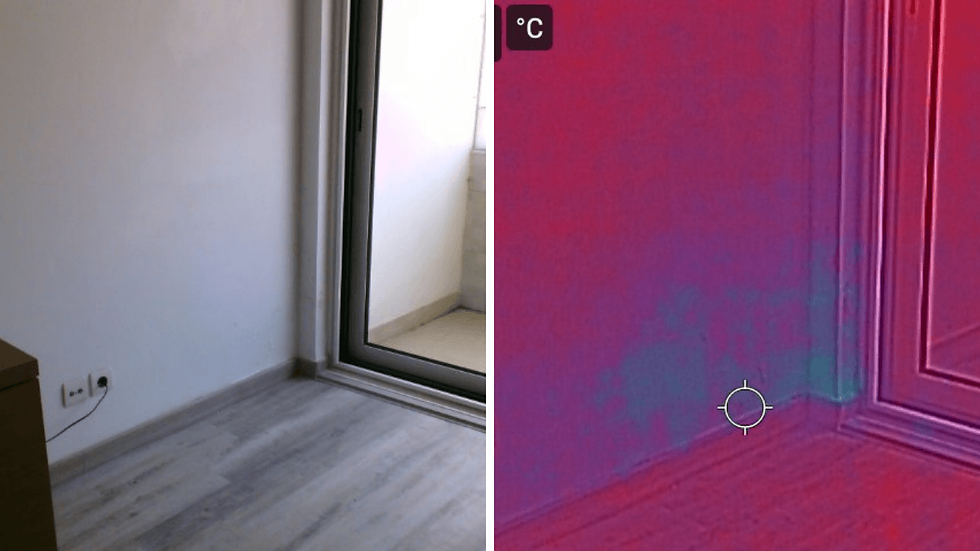
Before inspection day, take time to check the areas of the home that are most likely to require maintenance. Look for damaged roof tiles or blocked gutters, signs of damp or water ingress, cracks in walls or foundations, leaking plumbing, ageing electrical fittings, windows and doors that do not operate properly, and any obvious safety concerns such as faulty smoke alarms.
While these checks cannot replace a home inspection, they can help identify simple maintenance issues before the inspection takes place.
Taking the time to review these areas yourself can reduce surprises during the inspection and help you address problems early.
Common Issues Found During a Home Inspection
In Cascais, moisture-related defects are among the most common findings during a home inspection. Roof leaks, deteriorating waterproofing, poor ventilation, hidden moisture, and rising damp are regularly identified, particularly in older homes and coastal areas.
Electrical issues, plumbing leaks, ageing building materials, and HVAC system malfunctions are also common findings during a home inspection. Plumbing leaks can cause hidden water damage and increase utility bills, while poorly maintained heating, ventilation, and air conditioning (HVAC) systems may affect comfort, indoor air quality, and energy efficiency.
Being aware of these common issues helps set realistic expectations and highlights the importance of a thorough home inspection before making property decisions.

How to Make the Inspection Day Go Smoothly
On inspection day, ensure the inspector has clear access to all areas of the property, including garages, storage rooms, utility cupboards, roof spaces, terraces, balconies, and any outbuildings where applicable. Keeping electricity, water, and gas connected allows essential systems to be tested as part of the inspection.
If you have pets, keep them safely out of the inspector's way, and have any relevant maintenance records, warranties, or documentation readily available. While you are welcome to ask questions, allowing the inspector to work without unnecessary interruptions helps ensure the inspection is as thorough and efficient as possible.
The purpose of a home inspection is to provide an independent assessment of the property's condition. Good preparation and clear access help the inspector carry out a comprehensive evaluation and provide you with the most accurate understanding of the property.
After the Inspection: What to Do Next
Once the inspection is complete, you will receive a detailed report. This document highlights any issues found and may include recommendations for repairs or further evaluation.
Review the report carefully. Prioritize problems based on safety, cost, and urgency. For example, structural or electrical issues should be addressed immediately, while cosmetic concerns can wait.
If you are buying, use the inspection report to negotiate repairs or price adjustments with the seller. If you are selling, consider fixing major problems before listing the property to avoid surprises.
Finally, keep the inspection report for your records. It is a valuable reference for future maintenance and can increase buyer confidence if you decide to sell later.
Taking Control of Your Home Inspection Preparation
Preparing for a home inspection does not have to be stressful. By following this checklist, you can ensure the process is thorough and efficient. Clean and repair your home, focus on key areas, and be ready on inspection day. Afterward, use the report to make informed decisions about your property.
This approach helps protect your investment and gives you peace of mind. Whether you are buying or selling in Cascais or Lisbon, a well-prepared home inspection is a smart step toward a confident property transaction.



Comments