

The Truth About Hairline Cracks in Portuguese Homes


You're walking through what could soon become your new home in Portugal. The location is perfect, the rooms are filled with natural light, and you can already picture yourself living there. Then something catches your eye.
A thin crack you hadn't noticed before.
It's easy to dismiss it at first, but once you've noticed it, it's difficult to ignore.
The good news is that hairline cracks are incredibly common in Portuguese homes.
Many are simply part of a building's natural ageing process. Others, however, can be the first visible sign that something beneath the surface deserves a closer look.
The challenge isn't spotting the crack. It's understanding why it's there.
Every Building Has a Story
One of the most important things we've learnt from inspecting properties across Portugal is that no two buildings behave in the same way.
A modern apartment in Lisbon behaves differently from a traditional villa in Cascais or a stone house in the hills of Sintra. Every property has its own history, construction methods, and maintenance record.
Like people, buildings change over time.
During Portugal's hot summers, building materials expand. As temperatures cool and winter brings rain and humidity, those same materials contract again. Along the coast, salty sea air, known locally as maresia, also affects exterior finishes over many years.
These natural movements often leave small signs behind, and one of the most common is a hairline crack.
Most of the time, these cracks are simply evidence that the building has settled and adapted over the years. The important question isn't whether a crack exists, but what caused it to appear.
Why Hairline Cracks Appear
One of the biggest misconceptions we encounter is the belief that every crack indicates a structural problem.
Fortunately, that isn't true.
Fresh plaster naturally shrinks as it dries, particularly after renovation work. Older Portuguese homes often contain a combination of traditional lime plaster and more modern cement-based repairs. Because these materials expand and contract differently, small cracks can develop where they meet.
Natural settlement is another common cause. Almost every building moves slightly over time, particularly during its early years. Seasonal temperature changes also cause materials to expand and contract throughout the year, creating fine cosmetic cracks in plaster and painted surfaces.
In many cases, these are simply part of the normal ageing process rather than signs of structural failure.
When a Crack Deserves a Closer Look

While most hairline cracks are cosmetic, some can be an early indication of structural defects in Portuguese properties.
We pay particular attention to cracks that become wider over time, diagonal cracks around doors or windows, long horizontal cracks, or cracks that continue through masonry rather than only affecting the plaster.
Just as importantly, we look at everything around the crack.
Has a door suddenly become difficult to close? Are the windows sticking? Is there damp staining nearby? Does the floor feel uneven? Have previous repairs been carried out in the same area?
A crack is only one piece of information.
It's the wider condition of the building that tells the real story.
Looking Beyond the Surface
A professional property inspection isn't about highlighting every minor imperfection. It's about understanding the true condition of the property.
A crack is only one part of the story. To understand why it has appeared, an inspector looks beyond the crack itself, assessing the surrounding structure, checking for signs of moisture, and looking for anything else that may explain why it has developed.
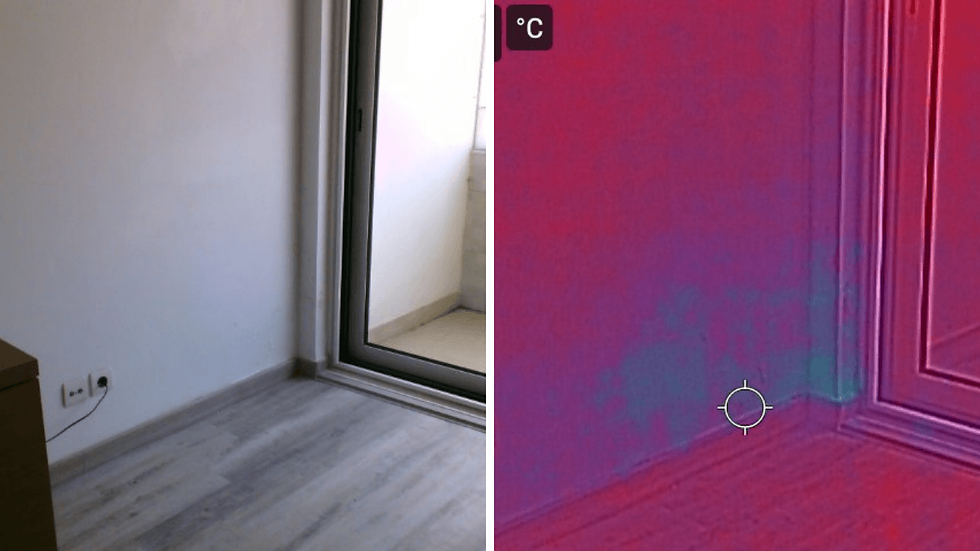
Professional moisture meters help identify hidden damp, while thermal imaging highlights temperature differences that may indicate moisture intrusion or other issues that aren't visible during a standard visual inspection.
Sometimes the answer is reassuring. Sometimes it points to an issue that deserves further investigation. Either way, understanding why a crack has appeared is far more valuable than simply knowing it's there.
Buy With Confidence, Not Uncertainty
Whether you're relocating permanently, purchasing a holiday home, or making an investment, understanding the true condition of a property before you commit can make all the difference.
Sometimes a hairline crack is exactly what it appears to be—a small cosmetic imperfection that comes with age. Occasionally, it's the first visible clue that encourages further investigation.
Either way, having the right information allows you to make informed decisions, negotiate with confidence, and avoid surprises after you've moved in.
Frequently Asked Questions
Are hairline cracks normal in Portuguese homes?
Yes. Hairline cracks are very common in both older and newer homes throughout Portugal. Most are caused by normal settlement, seasonal movement, and ageing building materials rather than structural problems.
Can damp cause cracks?
Yes. Persistent moisture can weaken plaster and decorative finishes over time, causing cracks to appear. Equally, existing cracks can allow moisture to enter a building if left untreated.
Should I buy a home with hairline cracks?
Many structurally sound homes have hairline cracks. The important question is why they have appeared. A professional inspection helps determine whether they are cosmetic or require further investigation.
Can fresh paint hide previous repairs?
It can. Fresh paint may conceal filled cracks, repaired plaster, or previous water staining. That's why a thorough inspection looks beyond the surface appearance of a property.
Do cracks always mean foundation problems?
No. Most hairline cracks have nothing to do with the foundations. They are far more commonly associated with normal building movement, plaster shrinkage, and seasonal expansion and contraction.



Comments