

Drone Roof Inspections in Portugal: A Safer Alternative


Roofing problems can develop gradually, and some defects are difficult to identify safely from ground level.
Drone roof inspections in Portugal provide another way to examine areas that may be difficult to access safely. High-resolution aerial images can reveal damaged or displaced tiles, flashing defects, blocked drainage points and other visible issues without requiring someone to walk across the roof surface.
However, drones do not replace every form of roof inspection. Where closer investigation or physical testing is required, additional access may still be necessary. The advantage is that aerial inspection can provide valuable evidence and help identify areas that require further attention.
The Safety Risks of Traditional Roof Inspections
Accessing a roof using ladders and walking directly across the surface carries an inherent risk of falls, particularly where roofs are steep, wet, fragile, or difficult to reach.
In some properties, safe access may require specialist equipment or additional safety measures. A drone allows the visible roof surface to be assessed from the ground, reducing the need for unnecessary physical access while still providing a detailed overview of its condition.
Can Walking on a Roof Cause Damage?
Some roofing materials can be vulnerable to damage when walked on, particularly older or already weakened clay and concrete tiles. Foot traffic may crack fragile tiles, disturb loose components, or affect areas that are already deteriorating.
Using a drone avoids direct contact with the roof during the initial visual assessment. If a potential defect is identified and a closer physical investigation is required, access can then be focused on the relevant area rather than walking extensively across the entire roof.
Inspecting Difficult-to-Reach Roof Areas
Some of the most important areas of a roof can also be the hardest to inspect from ground level. Roof valleys, chimney flashings, parapet junctions, gutters and drainage outlets may be difficult to view clearly using conventional ground-based inspection methods.
High-resolution drone imagery can provide a closer view of these areas and document visible defects that might otherwise be difficult to assess safely.

This can be particularly useful on larger properties, steep roofs and buildings where conventional access is limited.
Identifying the Source of Roof Leaks
Finding a roof defect does not always mean that the exact source of water ingress has been identified. Water can travel beneath tiles, membranes and other building materials before becoming visible inside the property.
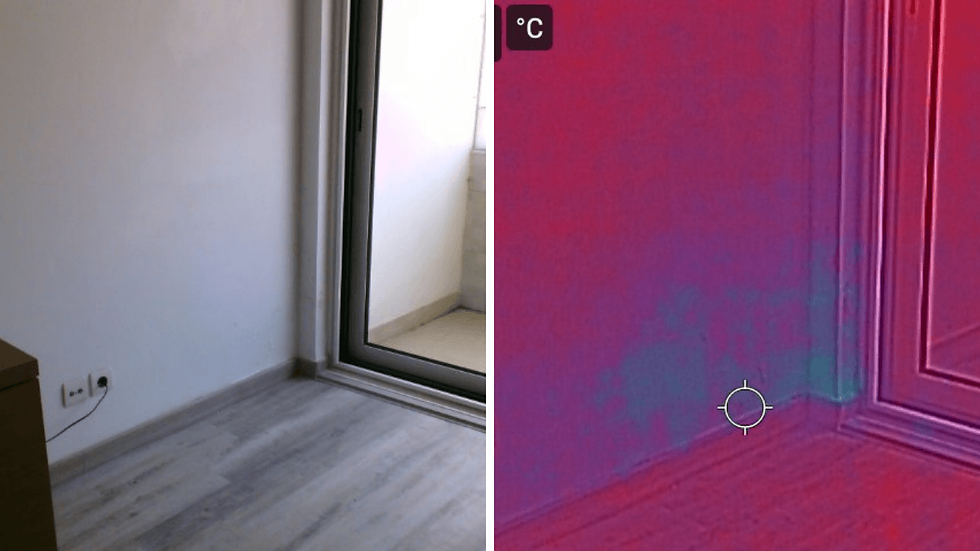
Drone imagery can help identify potential external entry points such as damaged tiles, deteriorated flashing, failed waterproofing and drainage defects. These findings can then be considered alongside internal moisture patterns, thermal imaging and other inspection evidence where appropriate.
Combining different forms of evidence provides a clearer understanding of where water may be entering the building and helps determine whether further investigation is required.
Clear Photographic Evidence for Roof Repairs
One of the main advantages of a drone roof inspection is the ability to document the condition of the roof clearly.
High-resolution photographs can show the location and extent of visible defects, giving property owners a useful visual record of the findings. This information can also help contractors understand which areas require attention before repair work begins.
Clear photographic documentation can reduce uncertainty and provide a useful reference when comparing the condition of the roof before and after repairs.
Why Drone Roof Inspections in Portugal Are Useful
Properties across Portugal are exposed to varying weather conditions that can affect roofing materials and exterior components. In coastal areas such as Cascais, Estoril and the wider Lisbon region, wind-driven rain and salt-laden air can create additional challenges over time.
Drone roof inspections in Portugal can provide a detailed overview of roof tiles, ridge and hip areas, chimneys, flashing, gutters, drainage points and accessible waterproofing systems without unnecessary contact with the roof surface.
The aim is not simply to take aerial photographs. The images need to be interpreted alongside the construction of the property and any signs of water ingress or moisture identified elsewhere in the building.
Choosing the Right Roof Inspection Method
The most effective approach is to use the inspection method that provides the clearest and safest evidence for the individual property. Where drone imagery is combined with professional building diagnostics, it can help identify visible defects, guide further investigation and provide clear documentation for any repairs that may be required.
No single inspection method is suitable for every roof or every defect. Traditional roof inspections may be appropriate where close physical investigation is required, while drone technology is particularly valuable where access is difficult, unsafe or could risk damaging fragile roofing materials.



Comments