

Exterior House Painting in Cascais: What Homeowners in Portugal Should Know

Exterior house painting in Cascais is about far more than improving the appearance of a property. A properly prepared exterior paint system helps protect walls against rain, moisture absorption, and water ingress, reducing the risk of damp and mould developing inside the home.
When preparation is rushed or walls are painted while still damp, the finish may look good initially, but problems such as blistering, peeling paint, damp patches, and mould can begin to appear within a relatively short time.
This guide explains the factors that determine how well exterior paint performs in Portugal's climate and why preparation, moisture testing, crack repairs, and the correct paint system all matter.

Weather, Humidity, and Damp Risk
Exterior painting should never be rushed due to weather conditions.
Before painting:
Walls must be completely dry
Relative humidity should ideally be below 70%
No rain within the previous 24–48 hours
Morning dew must be fully dry
Painting over damp surfaces traps moisture inside the wall structure.
If moisture remains trapped within the wall, it can eventually lead to efflorescence, blistering, premature paint failure, internal damp patches, and conditions that encourage mould growth.
In coastal areas such as Cascais and Lisbon, humidity levels remain elevated for much of the year. Poor timing during exterior painting increases the risk of long-term moisture and mould problems.
High-Pressure Cleaning and Hidden Moisture
Before repainting, exterior walls should be thoroughly cleaned to remove dirt, pollution, salt deposits, algae, existing mould spores, and loose or chalking paint residue.
However, pressure washing forces water into the wall.
If existing paint is cracked or failing, water can penetrate deeply into the cement render.
Painting too soon after washing traps internal moisture — creating long-term damp conditions that may eventually contribute to mould growth inside the building.
Drying Time Depends on Wall Condition
Drying time is not fixed and depends heavily on the condition of the existing paintwork. If the coating is intact, water penetration during cleaning is likely to be limited, and the walls may dry more quickly. Where paint is cracked, peeling, or already failing, however, water can penetrate more deeply into the wall, and considerably more drying time may be required.
A wall can appear completely dry on the surface while still holding moisture internally. Painting too soon can trap this moisture beneath the new coating, potentially contributing to premature paint failure and ongoing damp problems.
Moisture Testing Before Priming
Before priming or painting, moisture testing can help determine whether the wall is genuinely dry rather than relying on surface appearance alone. A Protimeter Surveymaster moisture meter can detect moisture beneath the surface and identify areas that may require additional drying time.
If moisture remains trapped within the wall, it can eventually contribute to efflorescence, blistering, premature paint failure, internal damp patches, and conditions that encourage mould growth.
Exterior paint plays an important role in protecting a property against moisture, but only when the underlying surface has been properly prepared and allowed to dry.
Crack Repair and Water Ingress
Cracks in exterior walls can create pathways for rainwater to enter the building structure. If they are not properly assessed and repaired before painting, moisture can continue to penetrate behind the new coating.
Hairline Cracks
Very fine, stable hairline cracks may sometimes be bridged by a suitable high-quality exterior coating, depending on the condition of the wall and the paint system being used.
Larger Cracks
Larger cracks generally need to be opened, cleaned, properly filled, and allowed to cure before the paint system is applied. Simply painting over a poorly repaired crack can leave a weak point where water ingress may continue.
Spot Priming and Damp Prevention
Filled areas should be spot primed before painting because filler absorbs moisture differently from the surrounding render. Without the correct primer, repaired areas can become weak points in the coating system and contribute to premature paint failure.
Windows, Doors, and Mould Risk
Window and door junctions are common points of water ingress, particularly where sealants or exterior coatings have deteriorated. Where appropriate, the paint system should integrate correctly with cured, paintable sealant around the frames to create continuous protection against rainwater.
Poor detailing around these junctions can allow moisture to penetrate behind the exterior coating, contributing to damp around windows and doors and, in some cases, creating conditions where mould develops internally.
Breathability: Why Walls Must Release Moisture
Protecting an exterior wall from rain does not mean completely sealing it against

moisture movement.
When an unsuitable, non-breathable coating is applied to a wall that contains moisture, that moisture may become trapped behind the paint system. Over time, this can contribute to blistering, coating failure, and persistent damp.
The right exterior coating should resist liquid water while still allowing water vapour within the wall to escape. A useful way to think about the correct exterior paint system is as a breathable raincoat: it helps keep rainwater out while allowing moisture vapour to escape.
Cheap Paint vs Premium Paint: The Mould and Damp Impact
The quality of the exterior paint system can have a significant effect on its durability and performance. Higher-quality exterior coatings may offer better adhesion, flexibility, weather resistance, and, depending on the product, improved crack-bridging properties.
However, even the best exterior paint will not perform properly if it is applied to a damp or poorly prepared surface. Choosing the correct product for the substrate and following the manufacturer's preparation and application requirements are just as important as the quality of the paint itself.
Exterior House Painting in Cascais: Why Preparation Matters
Exterior painting is often affected by weather conditions and project schedules, but applying coatings before walls are sufficiently dry can compromise the entire paint system.
The finish may initially look perfectly acceptable, only for blistering, peeling, or damp patches to appear later. If water continues to penetrate the exterior wall, moisture problems may also begin to affect internal finishes.
Proper preparation, suitable weather conditions, adequate drying time, and the correct paint system all contribute to a longer-lasting finish and better protection against water ingress.
Final Thought
Exterior house painting in Cascais is about more than improving the appearance of a property. A well-prepared and correctly applied paint system forms an important part of the building's protection against rain and water ingress.
The aim is not to completely seal a wall against all moisture movement, but to create a durable, breathable protective layer that helps keep rainwater out while allowing moisture vapour to escape.
Good preparation starts beneath the paint. Understanding the condition of the walls, addressing cracks and water ingress, and ensuring the substrate is sufficiently dry before painting can help prevent premature coating failure and future damp problems.
Concerned About Damp or Mould Before Repainting?
If a property already shows signs of damp, mould, cracking, peeling paint, or previous water ingress, it is important to understand the underlying cause before repainting.
Moisture levels within walls, existing damp patterns, crack condition, and vulnerable junctions around windows and doors may all require further investigation. Painting over an unresolved moisture problem may simply conceal the visible symptoms temporarily rather than address the source.
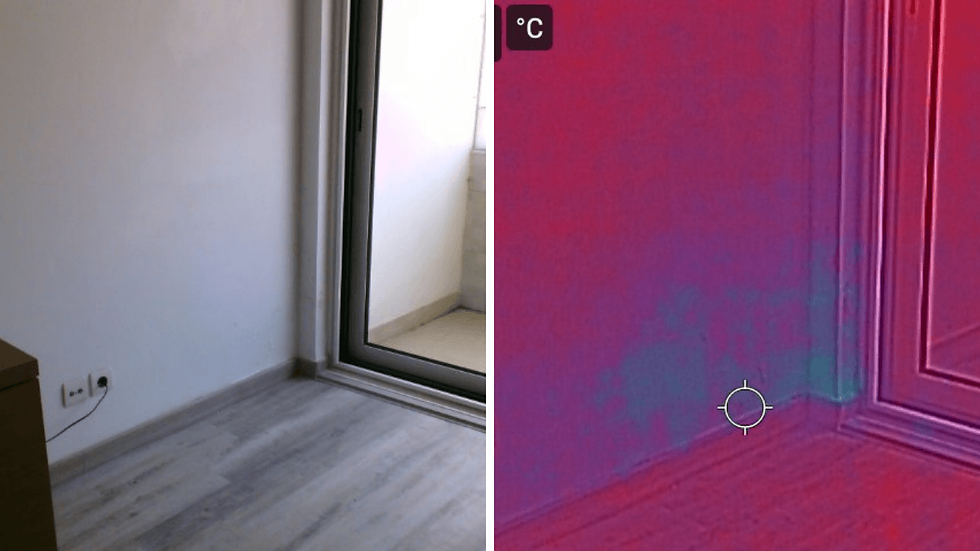
Where the cause is unclear, a professional damp and mould inspection using moisture detection equipment and, where appropriate, thermal imaging can help identify areas requiring further investigation before remedial work begins.



Comments