

How Are Houses Built in Portugal? What Every Buyer Should Know

Portuguese homes are built using a mixture of modern reinforced-concrete and masonry construction and, in older properties, traditional materials such as natural stone, lime-based mortar and timber. The construction method can vary considerably depending on the age, location and type of property.
For buyers, that matters because the way a home is built affects how it deals with moisture, heat, movement, weather exposure and long-term maintenance. A traditional stone property in Sintra can behave very differently from a modern apartment in Lisbon or a coastal villa in Cascais.
So when you're viewing a property in Portugal, the question isn't simply whether something looks different from what you're used to. It's whether the construction is appropriate for the property, whether it is performing as it should, and whether there are signs of problems that need closer investigation.

Why Houses in Portugal Are Built Differently
How houses are built in Portugal varies considerably depending on the age and type of property. Modern homes commonly use reinforced concrete and masonry, while traditional properties may use natural stone, lime-based mortar and timber.
In Portugal, reinforced concrete, masonry and concrete blockwork form the structure of many modern homes, creating buildings that are strong, durable and well suited to Portugal's environment. This method creates robust, rigid structures that perform well against environmental factors common to the region, including seismic activity and seasonal temperature fluctuations. Portugal is a seismically active region, and modern construction is subject to European structural and seismic design standards.
The age of a property also has a significant influence on how it performs. Older homes were built using the materials and techniques available at the time, while newer properties are generally constructed to more modern building standards with improved insulation, waterproofing and energy efficiency. It's not unusual for two neighbouring homes to behave very differently simply because they were built decades apart.
Modern and Traditional Portuguese Homes
Modern Portuguese homes are typically built using reinforced concrete frames with rendered exterior walls, while traditional properties tell a completely different story.
Depending on where they are located, you may find natural stone walls, lime-based mortars, and timber roof structures that reflect the building methods of earlier generations. Many of these homes have stood for decades, and in some cases centuries, demonstrating how well traditional construction can perform when properly maintained.
Roof construction also varies. Pitched tiled roofs remain common throughout much of Portugal, while flat roofs and roof terraces are frequently found on modern villas and apartment buildings. These features require different waterproofing systems and maintenance approaches from those found in many other countries.
What matters most isn't simply what a home is built from, but how those materials have performed over time. A well-maintained older property may be in excellent condition, while a newer home can still develop defects if maintenance has been neglected or previous work has not been completed to a good standard.

How Portugal's Climate Influences the Way Homes Perform
Portugal’s climate can be demanding on building materials.
Properties along the Atlantic coast, including Cascais, Estoril and Lisbon, face regular exposure to sea air and humidity, while inland and southern regions experience greater temperature fluctuations and intense sunshine.
This combination of weather exposure can create particular issues for tiled balconies and terraces. Over time, structural movement and ageing waterproofing can cause tiles to crack or loosen, allowing moisture to seep beneath the surface.
What Surprises Overseas Buyers Most
For many expats, it's the smaller details that come as the biggest surprise, rather than the overall construction of the property.
External shutters are a familiar feature on Portuguese homes and serve several practical purposes. They help reduce heat during the summer, provide privacy and offer additional protection during periods of bad weather. Buyers unfamiliar with Portuguese homes sometimes assume they're purely decorative, when in fact they form part of the way many homes are designed to perform.
Outdoor living is another defining characteristic. Balconies, terraces and gardens are designed to be enjoyed for much of the year, becoming an extension of the home's living space. Because these areas are constantly exposed to the elements, regular maintenance is essential to keep waterproofing systems, tiled surfaces and drainage performing effectively.
Properties built on sloping sites, particularly around Cascais and Sintra, may also include retaining walls, external stairways and more complex drainage systems. These features are an important part of the property and should be considered alongside the house itself, as they contribute to both the performance and long-term maintenance of the home.
By understanding these features before you buy, you're less likely to be surprised after moving in and better prepared for the responsibilities that come with owning a home in Portugal.
Condensation vs. Water Ingress: Spotting the Difference
Portugal's coastal climate and the way some homes are constructed can make moisture problems difficult to interpret. Condensation caused by humidity and thermal bridging can leave peeling paint or dark mould spots that may look like damp.
Water ingress is different. Deteriorating waterproofing on balconies or roof terraces, or hidden plumbing leaks, can allow water into the building. The symptoms can look similar, but the cause — and the required response — can be very different.
For buyers, particularly those viewing a property during a short trip, identifying the source is not always straightforward. Knowing what you're looking at can make the difference between a cosmetic issue and a problem that needs further investigation.
What an Independent Property Inspection Can Reveal
A property can look perfectly fine during a viewing while problems remain hidden from view. An independent inspection looks beyond the obvious, assessing accessible areas for defects, moisture, maintenance issues and signs that may need further investigation.
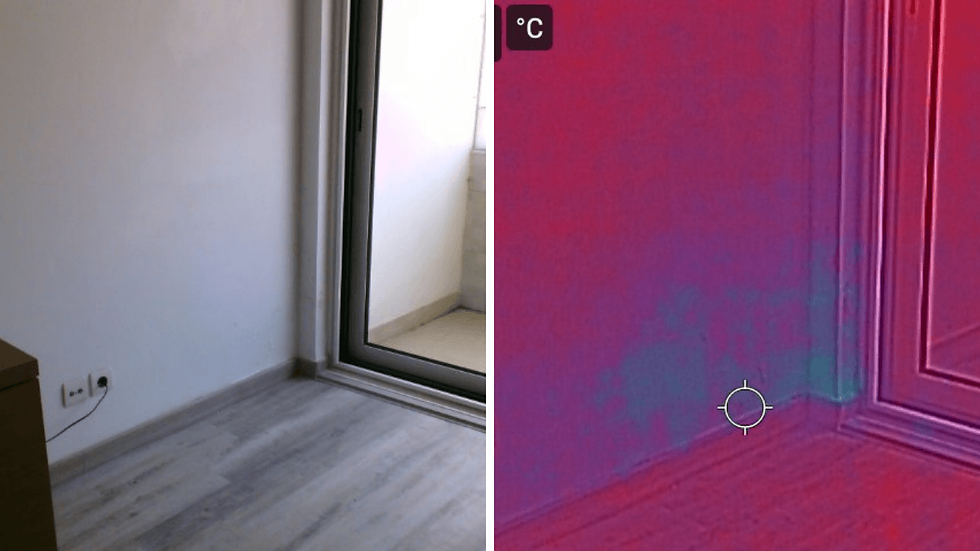
Depending on the property, moisture meters, thermal imaging and drone inspections can provide additional evidence where a visual inspection alone isn't enough: from hidden moisture and temperature differences to difficult-to-access roof areas.
Our Thoughts
A property can look perfect during a viewing, but what you see is only part of the picture.
Understanding how Portuguese homes are built, how different materials perform and how age and climate affect a property can help you recognise what deserves a closer look.
The right questions, supported by a thorough inspection, can reveal what isn't immediately visible before you commit to the purchase.



Comments