

Common Plumbing Defects. Property Inspections in Cascais

Updated: Sep 23
A property can look perfectly fine during a viewing while its plumbing system tells a very different story. A tap may run normally, the shower may appear to have good water pressure and every toilet may flush without issue. Yet problems with pipework, drainage or water pressure can remain unnoticed until after you have moved in.
For expats buying property in Cascais, Lisbon, Estoril, Sintra and elsewhere in Portugal, plumbing is one of those systems that is easy to overlook when everything appears to be working. The property's plumbing system (canalização) can include ageing pipework, concealed leaks, corrosion, drainage restrictions and other problems that aren't immediately obvious during a viewing.
Understanding these potential defects before signing the Contrato de Promessa de Compra e Venda (CPCV) can give you a much clearer picture of the property and help you avoid unexpected repair costs later.
Why Do Plumbing Problems Occur in Cascais Properties?

Cascais housing stock includes everything from older townhouses and traditional villas to modern apartments and newly built developments. The plumbing systems found in these properties can therefore vary considerably, depending on the age of the building, the materials used and any alterations made over time.
Renovations can also change an existing plumbing system, with new bathrooms, kitchens or appliances sometimes being connected to older pipework. In apartment buildings, parts of the plumbing may also be shared or connected to systems serving other properties.
Environmental conditions can also have an influence. Coastal areas such as Cascais and Estoril are exposed to salt-laden air, while mineral deposits associated with hard water can contribute to build-up inside pipes and fittings over time.
These differences are important for buyers because the age and appearance of a property alone don't necessarily tell you about the condition of its plumbing.
Why Is My Water Pressure So Low?
Low water pressure is a common concern for homeowners and can sometimes indicate an underlying plumbing problem.
Although the municipal water supply can occasionally contribute to pressure issues, the cause may also be within the property's own plumbing system. Partially blocked pipes, mineral deposits, restricted valves or changes made to the plumbing during previous renovations can all affect water flow throughout the home.
Poor water pressure affects more than just showers. Washing machines, dishwashers, water heaters and other household appliances may not perform as efficiently, while everyday tasks such as filling a bath or washing dishes become unnecessarily frustrating.
During a property inspection, the plumbing system is assessed for signs that inconsistent water pressure may indicate an underlying issue requiring further investigation.
How Serious Are Pipe Leaks?
Not all plumbing leaks are obvious.
Some develop slowly behind walls, beneath floors or above ceilings, allowing water to escape over many months before visible damage appears. By the time bubbling paint, staining or warped flooring becomes noticeable, the surrounding building materials may already have been affected.
Hidden leaks can damage plasterboard, timber, insulation, cabinetry and decorative finishes. In some cases, prolonged moisture exposure may also affect electrical components or contribute to structural deterioration if left unresolved.
Because concealed leaks rarely reveal themselves during a viewing, professional inspection equipment such as moisture meters and thermal imaging cameras can provide valuable insight into areas that cannot be assessed by visual inspection alone.
Why Do Pipes Corrode?
Pipe corrosion is commonly associated with older properties, although it can occur in homes of various ages depending on the materials used and environmental conditions.
Older galvanised steel pipework can deteriorate internally over time, reducing water flow and increasing the possibility of leaks. Copper pipework may also deteriorate over time, particularly where natural water chemistry contributes to corrosion.
In coastal areas, exposed plumbing components may experience accelerated deterioration due to salt-laden air, while mineral deposits created by hard water can gradually reduce the internal diameter of pipes.
Understanding the condition of the plumbing system allows buyers to plan for future maintenance rather than facing unexpected repairs after moving into the property.
What Causes Drainage Problems?
Drainage problems often develop gradually and may initially appear to be nothing more than a slow-running sink or shower.
Slow-draining sinks, baths or showers, unpleasant odours and recurring gurgling sounds may all indicate restrictions within the drainage system. These issues can result from accumulated debris, ageing pipework, damaged drains or gradual deterioration over many years.
If drainage defects remain unresolved, wastewater may back up into the property, while damaged underground drains can contribute to moisture problems around the building.
Although not every drainage concern requires major repairs, identifying warning signs before purchasing allows buyers to understand the property's condition and avoid unexpected surprises.
Why Do Waste Pipes Keep Blocking?
Recurring waste pipe blockages are often a symptom of a larger plumbing issue rather than simply everyday use.
Kitchen waste pipes commonly become restricted by grease, food residue and soap deposits, while bathroom waste pipes frequently accumulate hair and other debris. However, repeated blockages may also indicate damaged pipework, inadequate gradients or ageing drainage systems.
Clearing a blockage may solve the immediate problem, but if the underlying cause remains, the issue often returns.
Understanding whether recurring blockages are the result of normal maintenance or a more significant plumbing defect is an important part of evaluating a property's overall condition.
Can Plumbing Problems Cause Damp and Mould?
Yes, and many buyers are surprised to learn how closely plumbing defects are linked to damp and mould.
A slow leak beneath a shower, behind a kitchen unit or inside a wall cavity may introduce moisture into the building for months without obvious signs. Over time, this creates ideal conditions for mould growth while also damaging surrounding construction materials.
Because condensation is relatively common in some Portuguese homes, plumbing-related moisture can easily be mistaken for a ventilation issue. Identifying the true source of the moisture is essential before any repairs or remedial work begin.
Professional moisture testing helps distinguish between condensation, water ingress and concealed plumbing leaks, providing buyers with a clearer understanding of the property's condition.
What Does a Plumbing Inspection in Cascais Check?
A professional plumbing inspection in Cascais includes a thorough assessment of the property's plumbing system, helping to identify visible and potential issues such as leaks, drainage problems, corrosion and other defects that may not be immediately apparent.
Inspectors carefully examine accessible plumbing installations throughout the property, including visible pipework, bathrooms, kitchens, water heaters, isolation valves and accessible external plumbing components. Drainage performance is also observed, while moisture detection equipment helps identify concealed damp that may indicate hidden plumbing leaks.
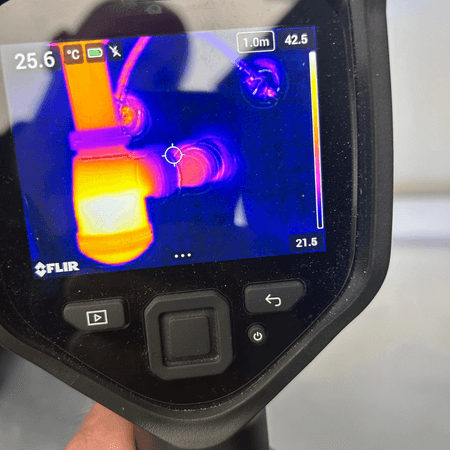
Thermal imaging technology can provide additional information by identifying temperature variations that may be consistent with moisture intrusion in certain situations. Together with a detailed visual inspection, these tools help build a clearer picture of the plumbing system's overall condition without causing damage to the property.
While no non-invasive inspection can see inside every wall or beneath every floor, professional inspection equipment significantly improves the likelihood of identifying hidden warning signs before they develop into costly repairs.
Should Expats Arrange a Property Inspection Before Signing the CPCV?
Buying a property in Portugal can involve unfamiliar processes and terminology, particularly if you are coming from another country.
The Contrato de Promessa de Compra e Venda (CPCV) is a significant milestone in the buying process, and by the time it is signed, buyers have often committed a substantial deposit.
Discovering major plumbing defects afterwards can result in unexpected repair costs and difficult decisions.
Arranging an independent plumbing inspection in Portugal before signing the CPCV can give buyers a clearer understanding of the property's condition, allowing them to make informed decisions, negotiate where appropriate and proceed with greater confidence.
Buying with Confidence
Low water pressure, hidden pipe leaks, corrosion, drainage problems and recurring waste pipe blockages can all affect a property's condition and the cost of maintaining it. Some may be relatively minor, while others can lead to more significant damage if they remain undetected.
For anyone buying property in Cascais, Lisbon, Estoril, Sintra or elsewhere in Portugal, understanding the condition of the plumbing before signing the CPCV can help you make a more informed decision.
A professional plumbing inspection gives you greater insight into the condition of the system, helping you move forward with confidence and a clearer understanding of what you are buying.


Comments